
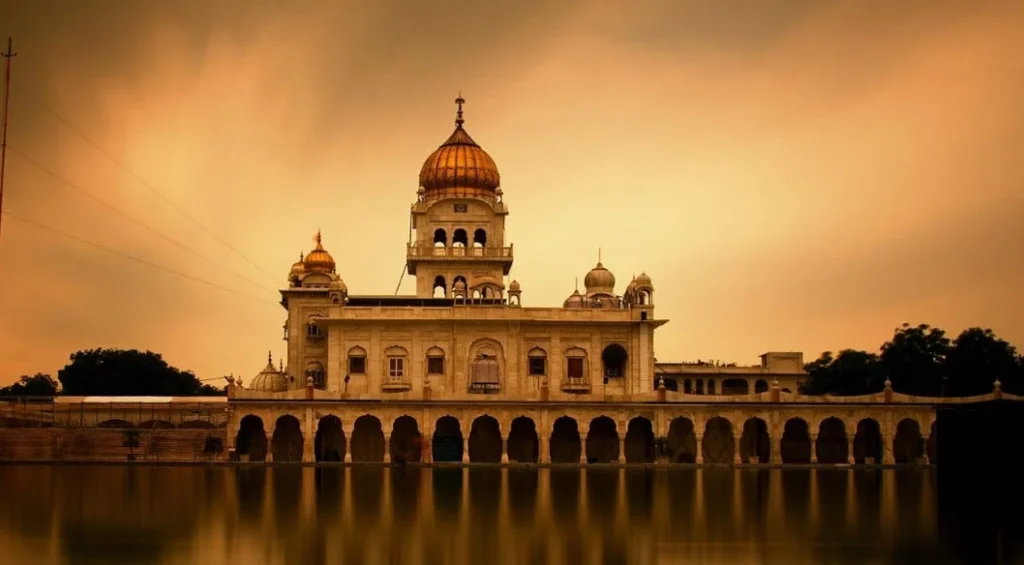
India has raised concerns over a historic Gurdwara, underscoring the need for the protection of Sikh religious heritage and keeping places of worship safe and accessible to devotees. The issue has attracted the attention of government officials, Sikh organizations and members of the world-wide Sikh community, who consider the site an important part of their religious and cultural identity.
The worry comes as reports are emerging about the state, management or access to the Historic Gurdwara. Indian authorities have insisted that religious sites of historic significance should be respected and preserved for posterity.
The government has requested preservation.
Officials have underlined the role of historic religious monuments in cultural heritage preservation and promoting interfaith harmony. India has appealed for appropriate steps to protect the Gurdwara and ensure peaceful access for Sikh pilgrims visiting the holy site.
Representatives of the government said the protection of religious sites helps foster greater cultural understanding and also helps to guard centuries-old traditions that still hold great significance for millions of people around the world.
Significance of Historic Gurdwara
Gurdwaras occupy a unique position in Sikh history. Many are connected with the lives of the Sikh Gurus and mark major events that helped develop the Sikh faith.
Every year thousands of pilgrims from India and abroad come to these holy sites for spiritual guidance and to pay their respects. These places attract historians, researchers and tourists to the rich cultural heritage of the region.
It also helps to keep these landmarks intact so that future generations can learn more about the history and traditions of the Sikh.
Diplomatic Engagement
India has raised the issue through diplomatic channels stressing the need for cooperation to safeguard places of religious importance. The officials emphasized the need for constructive dialogue and mutual respect on issues related to cultural and religious heritage.
Diplomatic engagement is an important tool for addressing concerns relating to cross-border religious tourism and heritage conservation.
World Sikh Community Reacts
The historic Gurdwara has been closely watched by members of the Sikh diaspora. Community organizations have long pushed for the preservation of Sikh heritage sites and the facilitation of religious pilgrimages.
There are many who believe that safeguarding these sites is not only a religious imperative but also a collective responsibility to protect historical sites of global cultural significance.
Learn more about Sikhism:
https://en.wikipedia.org/wiki/Sikhism
Cultural Exchange & Religious Tourism
The Historic Gurdwara are major catalysts of religious tourism in South Asia. Pilgrims visiting these holy sites also help to boost local economies through tourism, hospitality and cultural exchanges.
Experts say that the preservation of these sites and greater ease of access to visitors can bolster the people-to-people ties and create mutual understanding between the neighboring countries.
Heritage Conservation Challenges
Religious monuments that have stood the test of centuries require ongoing investment, technical expertise and careful management. Environmental conditions, aging infrastructure, and increasing visitor numbers may affect the long-term preservation of heritage sites.
Through regular restoration work , structural assessments and modern preservation techniques that conservation specialists often recommend , the Historic Gurdwara of these landmarks is preserved .
Looking Forward
India’s anxiety over the Historic Gurdwara highlights the broader need to preserve religious and cultural heritage in the region. Safe and respectful access for pilgrims, ongoing dialogue, responsible conservation efforts and cooperation among relevant authorities can help keep these sacred sites safe.
Many stakeholders look forward to a constructive engagement as discussions progress to resolve the matter, thereby further enhancing the shared commitment to safeguarding places of worship of historical significance for generations to come.