- Table of Contents
- Traditional Foods in Pakistan: Why They Are Loved
- Traditional Foods in Pakistan: 12 Delicious Icons
- Regional Food Culture Across Pakistan
- Street Food and Restaurant Culture
- Health, Moderation and Modern Eating Habits
- Food Tourism and Cultural Identity
- Tips for Enjoying Pakistani Traditional Food
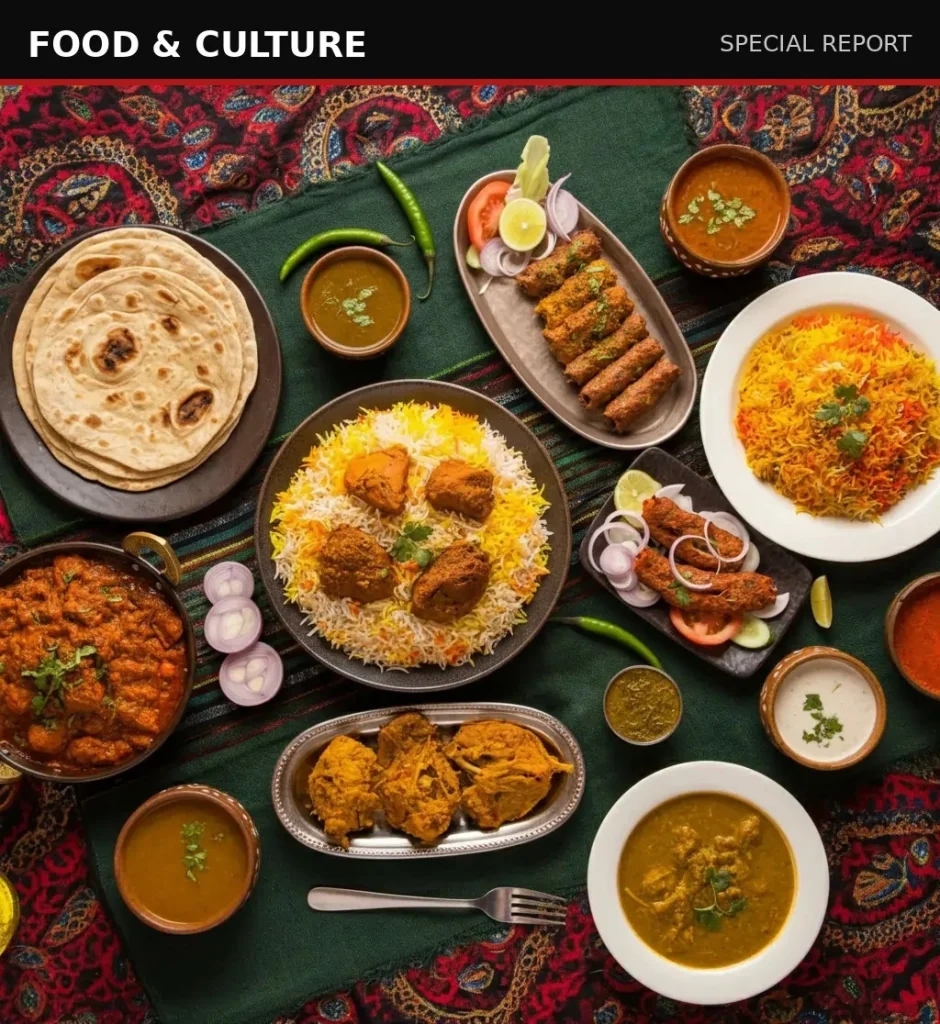
Traditional Foods in Pakistan represent the country’s regional identity, family culture, street-food energy and hospitality. From spicy biryani and slow-cooked nihari to chapli kebab, sajji, haleem, saag, pulao, paya, lassi and sweet dishes, Pakistani cuisine reflects centuries of local taste, trade routes, migration, agriculture and community celebrations.
This detailed lifestyle feature explores the most popular Traditional Foods in Pakistan, their regional roots, ingredients, cultural meaning, health considerations, travel appeal and why these dishes continue to dominate homes, restaurants, weddings and food streets across the country.
Table of Contents
Traditional Foods in Pakistan: Why They Are Loved
Traditional Foods in Pakistan are loved because they connect people with memory. A plate of biryani can remind someone of weddings in Karachi. A bowl of saag can bring back winter meals in Punjab. Chapli kebab may recall food streets in Peshawar, while sajji brings the flavour of Balochistan to national menus.
Pakistani food is known for layered spices, slow cooking, fresh herbs, wheat breads, rice dishes, grilled meats, lentils, dairy drinks and sweets. The cuisine is diverse because Pakistan’s geography includes mountains, deserts, plains, coastal areas and agricultural regions.
Food is also social. Families gather around large dishes, guests are served generously and festivals are incomplete without traditional meals. This emotional value makes Pakistani cuisine more than a list of recipes.
Traditional Foods in Pakistan: 12 Delicious Icons
| Dish | Known for | Common setting |
|---|---|---|
| Biryani | Spiced rice, meat and aroma | Weddings, restaurants, homes |
| Nihari | Slow-cooked meat gravy | Breakfast and weekend meals |
| Haleem | Wheat, lentils and meat blend | Muharram, Ramadan, food streets |
| Chapli kebab | Spiced minced meat patty | Khyber Pakhtunkhwa cuisine |
| Sajji | Roasted meat with simple spices | Balochistan-style dining |
| Saag | Mustard greens and rustic flavour | Winter Punjabi meals |
| Pulao | Mild aromatic rice | Family gatherings |
| Karahi | Tomato-based meat curry | Restaurants and dhabas |
| Paya | Rich trotters curry | Traditional breakfasts |
| Seekh kebab | Grilled minced meat skewers | BBQ nights and weddings |
| Lassi | Yogurt-based drink | Summer and breakfast |
| Gulab jamun | Sweet syrup dessert | Celebrations and tea time |
Traditional Foods in Pakistan for family gatherings
Biryani, pulao, karahi, kebabs and sweet dishes often appear at family events because they can be cooked in larger quantities and served with raita, salad, naan or chutney. These foods create a shared dining experience.
Traditional Foods in Pakistan for winter
Winter menus often include saag, makai roti, nihari, paya, haleem, dry fruits, tea and warm desserts. These dishes are filling, comforting and linked with seasonal ingredients.
Regional Food Culture Across Pakistan
Punjab is known for wheat breads, dairy, saag, lassi, barbecue and rich gravies. Sindh brings spicy flavours, biryani variations, fish dishes and pickles. Khyber Pakhtunkhwa is famous for chapli kebab, lamb dishes, kabuli pulao influence and grilled meats. Balochistan is associated with sajji, rosh and simpler meat-focused cooking.
Karachi’s food culture is especially diverse because migration brought different traditions into one city. Lahore is famous for breakfast, barbecue and food streets. Peshawar has strong meat traditions, while Quetta offers unique tea, dry fruit and regional meat dishes.
Pak Bulletin readers can also follow lifestyle and household planning through related posts such as gold rate Pakistan today, Pakistan air quality alert and Pakistan daily price check guide.
Street Food and Restaurant Culture
Street food is a major part of Pakistani lifestyle. Bun kebab, chaat, gol gappay, samosas, pakoras, rolls, fries, jalebi and tea stalls bring people together in markets and neighbourhoods. Restaurants add another layer by offering karahi, barbecue, handi, biryani and regional platters.
Food streets in Lahore, Karachi, Islamabad, Peshawar and other cities attract families, students, office workers and tourists. The atmosphere matters as much as the food: smoke from grills, busy vendors, tea stalls, fresh naan and late-night crowds all shape the experience.
For broader cultural context, readers can explore resources from Pakistan Tourism Development Corporation, global food heritage discussions by UNESCO and public nutrition guidance from the World Health Organization.
Health, Moderation and Modern Eating Habits
Traditional food can be enjoyed responsibly. Many dishes are rich in oil, salt, refined carbs or red meat, so portion control matters. Pairing heavy dishes with salad, yogurt, water and lighter meals later in the day can help balance enjoyment with health.
Home-cooked versions can be healthier because families can control oil, salt and ingredients. Grilled items, lentils, vegetables, yogurt and whole grains can be part of a balanced Pakistani diet when prepared carefully.
Food Tourism and Cultural Identity
Food tourism is growing because travellers want authentic experiences. A visitor may remember Lahore for nihari, Karachi for biryani, Peshawar for chapli kebab, Quetta for sajji and rural Punjab for saag. These meals create stories and support local businesses.
Traditional foods also preserve identity for overseas Pakistanis. Families abroad cook biryani, kebabs, haleem and sweets during Eid, weddings and community events to stay connected with home.
Tips for Enjoying Pakistani Traditional Food
- Try regional dishes from trusted restaurants or homes.
- Ask about spice level before ordering.
- Choose fresh naan, salad and raita for balance.
- Drink clean water and avoid unhygienic stalls.
- Share heavy dishes instead of overeating.
- Try seasonal foods such as saag in winter.
- Respect local dining customs and hospitality.
- Support small vendors with good hygiene practices.
Conclusion: Traditional Foods in Pakistan
Traditional Foods in Pakistan remain popular because they combine taste, memory, hospitality and regional pride. From biryani and nihari to chapli kebab, sajji, saag and sweets, these dishes tell the story of Pakistan’s people and places. Enjoyed with moderation and respect for hygiene, they are a powerful part of the country’s lifestyle and cultural identity.
FAQs on Traditional Foods in Pakistan
What are the most famous Traditional Foods in Pakistan?
Biryani, nihari, haleem, chapli kebab, sajji, saag, pulao, karahi, paya, lassi and gulab jamun are widely popular.
Which city is famous for biryani in Pakistan?
Karachi is especially famous for spicy biryani, though biryani is enjoyed across the country.
What is the national food of Pakistan?
Nihari is often discussed as a national favourite, while biryani is one of the most widely loved dishes.
Which Traditional Foods in Pakistan are popular in winter?
Saag, nihari, paya, haleem, tea and warm desserts are especially popular in winter.
Is Pakistani food very spicy?
Many dishes are spicy, but spice levels vary by region, household and restaurant.
What is the best Pakistani street food?
Bun kebab, chaat, gol gappay, samosas, pakoras, rolls and jalebi are popular street-food choices.
Are Traditional Foods in Pakistan healthy?
They can be enjoyed in moderation. Home-cooked versions with controlled oil and balanced sides are healthier.
Why are Traditional Foods in Pakistan important culturally?
They connect families, regions, festivals, hospitality and national identity through shared meals.
Additional Reader Guidance
Traditional Foods in Pakistan should be followed through verified official updates, not rumours or forwarded messages. Readers should compare dates, documents, prices, locations and official announcements before making decisions. This careful approach reduces mistakes and helps families plan with confidence.
For better planning, keep written notes, save official links and review changes regularly. A single update can be useful, but the strongest decisions come from comparing multiple reliable sources and understanding how the information applies to your own situation.
Pak Bulletin will continue tracking public-interest updates with practical context for students, families, workers and everyday readers across Pakistan.