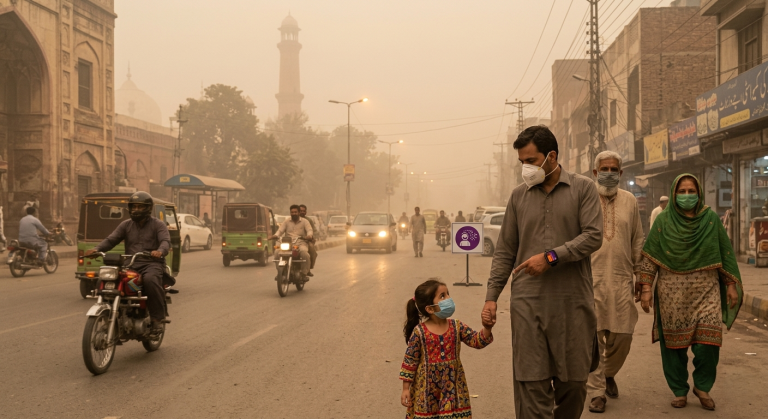
- Monsoon Safety Guide Pakistan 2026 – Family Travel & Home Tips: Complete Overview
- Why monsoon safety guide Pakistan Is Important in 2026
- Quick Checklist for monsoon safety planning
- Step-by-Step Action Plan
- Common Mistakes Readers Should Avoid
- Useful Planning Table
- How Families Can Use This Guide
- How Students and Workers Can Benefit
monsoon safety guide Pakistan is a practical guide for readers who want clear, useful and reliable information in 2026. This article focuses on heavy rain, flooded roads, family travel, electricity safety, drainage issues and home preparation and explains how ordinary readers can make better daily decisions without relying on rumors or incomplete social media posts.
The purpose of this Weather guide is to give families and individuals a complete planning resource. People searching for monsoon safety guide Pakistan usually need simple steps, trusted verification methods, and examples that connect news updates with real life. That is why this guide combines practical advice, checklists, FAQs, internal resources and official source references.
Monsoon Safety Guide Pakistan 2026 – Family Travel & Home Tips: Complete Overview
The topic of monsoon safety guide Pakistan matters because it affects families, commuters, students, drivers, motorcyclists and households in rain-affected areas. A small mistake, a missed update, or a poor planning habit can create stress, wasted money, safety issues or delays. A better approach is to follow a routine, verify important information and review decisions before acting.
In Pakistan, daily routines are often affected by fuel prices, weather, school schedules, digital services and household costs. Readers should treat monsoon safety guide Pakistan as a planning framework rather than a one-time update. The more consistently you apply the guidance, the more useful it becomes.
Why monsoon safety guide Pakistan Is Important in 2026
Many readers face information overload. There are updates on social media, messaging apps, websites, television and word of mouth. Not every update is accurate. A careful reader should compare information, check the source and understand whether the update applies to their city, family, business, school or personal situation.
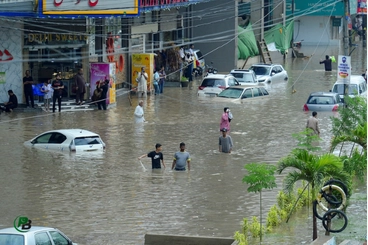
The biggest challenges connected with monsoon safety planning include flooded underpasses, slippery roads, electric wires, open drains, traffic delays and water damage at home. These risks are manageable if readers use a structured plan and avoid acting under pressure. Planning does not remove every problem, but it reduces confusion and helps people respond calmly.
Quick Checklist for monsoon safety planning
- Avoid flooded roads and underpasses
- Keep children away from open drains
- Do not touch fallen electric wires
- Charge phones before heavy rain
- Follow official weather and local administration alerts
This checklist should be reviewed regularly. A checklist is useful because it converts general advice into small actions. Readers who follow monsoon safety planning with a written checklist are less likely to forget important steps during a busy day.
Step-by-Step Action Plan
Start with the most important decision first. If the issue affects money, travel, safety, education or family planning, verify it before acting. For monsoon safety planning, the safest habit is to pause, check the source, compare with one reliable reference and then make a decision.
Next, write down the action required. A written note, phone reminder or family checklist can prevent missed deadlines and repeated mistakes. This is especially helpful for households where several people depend on the same update or decision.
Finally, review the outcome. If the decision saved time, money or stress, keep it in your routine. If it did not work, adjust the plan. A good monsoon safety planning strategy improves over time as you learn from daily experience.
Common Mistakes Readers Should Avoid
The first mistake is trusting a forwarded message without checking the date. Many old updates return on social media and create unnecessary panic. Always check whether the information is new, relevant and linked to an official or trusted source.
The second mistake is waiting until the last minute. Whether the issue is a payment, travel plan, exam notice, safety warning or household purchase, late action reduces options. A better monsoon safety planning habit is to prepare early and keep alternatives ready.
The third mistake is ignoring small costs or small risks. Small expenses, small delays and small unsafe habits can become bigger problems when repeated. Good planning focuses on details before they become emergencies.
Useful Planning Table
| Action | How to use it |
| Avoid flooded roads and underpasses | Use this step as part of a weekly routine and review it whenever circumstances change. |
| Keep children away from open drains | Use this step as part of a weekly routine and review it whenever circumstances change. |
| Do not touch fallen electric wires | Use this step as part of a weekly routine and review it whenever circumstances change. |
| Charge phones before heavy rain | Use this step as part of a weekly routine and review it whenever circumstances change. |
| Follow official weather and local administration alerts | Use this step as part of a weekly routine and review it whenever circumstances change. |
How Families Can Use This Guide
Families can discuss monsoon safety planning once a week and decide what needs attention. One person may track official updates, another may manage spending, and another may handle documents or reminders. Sharing responsibility makes planning easier.
Parents can also use this guide to teach children better habits. Children should learn how to verify information, avoid unsafe links, prepare school items early and ask adults before making online decisions. These habits are useful beyond one topic.
How Students and Workers Can Benefit
Students and workers often have limited time. A clear monsoon safety planning plan helps them avoid unnecessary delays. For students, it can protect study time and deadlines. For workers, it can reduce travel problems, payment issues or missed updates.
The best approach is to create a simple routine: check important updates in the morning, handle urgent tasks first, and keep proof of payments, applications or official notices. This habit is easy but powerful.
Verification and Reliable Sources
Readers should verify important information through official websites, recognized institutions or trusted sources. For this topic, a useful external reference is Pakistan Meteorological Department. External sources should support your decision, but you should still confirm whether the information applies to your specific city, school, bank, family or business.
Pak Bulletin also provides related context through Pakistan weather update today, healthy daily routine Pakistan families. Internal links help readers understand connected issues and build a wider picture before making decisions.
Practical Weekly Routine for monsoon safety planning
On the first day of the week, review the most important upcoming tasks. Check dates, payments, documents, travel plans or safety concerns. This small habit gives you enough time to solve problems before they become urgent.
In the middle of the week, review whether anything has changed. A new update, price change, weather alert, service notice or official announcement may require an adjustment. This is where monsoon safety planning becomes a living routine instead of a static checklist.
At the end of the week, note what worked and what did not. This reflection helps you improve the next week. A family, student or business owner can use the same method for many types of planning.
Advanced Tips for Better Results
Keep a folder for important screenshots, receipts, documents and official notices. Name files clearly so they can be found later. This habit is useful for payments, applications, travel, school records, business records and safety reporting.
Use reminders for deadlines. A phone calendar reminder one day before a deadline is helpful, but a reminder three or seven days earlier is even better. Early reminders give you time to fix missing documents, money, transport or information.
Discuss important decisions with a trusted family member or colleague. A second opinion can help identify mistakes. This is especially important when money, safety or official forms are involved.
FAQs About monsoon safety planning
What is the main purpose of monsoon safety planning?
The main purpose is to help readers make safer, better organized and more informed daily decisions using practical steps and verified information.
How often should I review this guide?
You should review the key points weekly, and more often if the topic affects money, travel, school, safety, health or business planning.
Can this guide replace official information?
No. This guide explains practical steps, but official notices and verified sources should be checked before making important decisions.
Why is keyword-focused information useful?
Readers searching for monsoon safety planning need clear answers. Keyword-focused content helps organize the guide around the exact problem readers want to solve.
What is the safest habit to follow?
The safest habit is to pause before acting, verify the source, and keep a record of important information or transactions.
Final Thoughts
monsoon safety planning is most useful when it becomes part of a regular routine. Readers who plan early, verify information and keep records can reduce stress and make better decisions. The goal is not to make life complicated, but to create simple habits that protect time, money and safety.
Keep this guide bookmarked and revisit it whenever a new update affects your household, study, work, travel or financial planning. A careful approach today can prevent bigger problems tomorrow.
Detailed Examples for monsoon safety planning
A practical way to understand monsoon safety planning is to look at everyday examples. A reader may see an update in the morning, discuss it with family, and then decide whether to travel, spend, apply, revise, save, or verify something. The best decision is usually the one made after checking the source and thinking about the real impact.
For example, if a message creates urgency, the reader should slow down. Urgency is often used in rumors, scams and incomplete updates. A calm approach to monsoon safety planning means asking three questions: who published this, when was it published, and what action is actually required?
Another example is family planning. One family member may manage documents, another may track costs, and another may follow official updates. This shared method makes monsoon safety planning easier to apply because responsibility is not placed on one person only.
Daily Monitoring Method
Readers can monitor monsoon safety planning with a simple three-step routine. First, check trusted sources once in the morning. Second, save any important update with the date. Third, review the update in the evening to see whether action is still needed. This method prevents confusion and avoids repeated checking all day.
This daily monitoring method is useful for students, families, workers and small business owners. It does not require advanced tools. A notebook, phone reminder or saved message folder is enough. The key is consistency and careful verification.
How to Discuss monsoon safety planning With Family
Families should discuss monsoon safety planning in simple language. Instead of sharing fear or confusion, explain the confirmed facts, the possible impact, and the next step. This helps children, elderly family members and busy workers understand what matters without feeling overwhelmed.
A family discussion should end with a clear action. The action may be checking an official website, preparing documents, adjusting a budget, changing travel timing, saving a helpline number, or waiting for confirmed information. Clear actions make monsoon safety planning useful instead of just informative.
Record-Keeping Tips
Good record keeping supports monsoon safety planning. Save receipts, screenshots, official notices, reference numbers and dates. If a problem appears later, records help prove what happened and when. This is especially important for payments, applications, travel decisions and safety-related updates.
Digital records should be organized by topic. For example, keep separate folders for education, banking, weather, household expenses, business payments and official notices. A clear folder system saves time during urgent situations.
Long-Term Benefits
The long-term benefit of monsoon safety planning is better decision-making. Readers become more careful, more organized and less dependent on unverified information. Over time, this can save money, reduce stress and protect families from avoidable mistakes.
Another benefit is confidence. When readers know how to check sources, compare information and plan action, they feel more in control. This is the real value of monsoon safety planning: not just reading an article, but building a repeatable habit for daily life.
Readers should revisit this guide whenever circumstances change. New prices, new rules, new weather conditions, new school notices, new digital risks or new family needs can all affect the best plan. Keeping monsoon safety planning updated in your routine makes the guidance more useful throughout 2026.
Reader Action Summary for monsoon safety planning
The easiest way to apply monsoon safety planning is to turn the guide into a short daily action plan. Choose one important task, verify one important source, and keep one useful record. These three actions are simple, but they can prevent confusion when decisions need to be made quickly.
Readers should also avoid copying advice without context. A tip that works for one city, family, business, school or situation may not work for another. Good use of monsoon safety planning means adapting the advice to your own routine while keeping the main safety and verification principles the same.
If the topic involves money, travel, safety, education, health or official notices, take extra care. Check the date, source and exact wording. Keep proof where needed. Ask a trusted person if something looks unclear. These habits make monsoon safety planning more reliable and useful.
Over time, readers who follow monsoon safety planning can build stronger planning habits. They respond earlier, spend more carefully, avoid common mistakes and feel less pressure during sudden updates. This is why a complete guide is better than a short update: it gives readers a system they can use again and again.
Before closing this guide, review the checklist, save the relevant links and decide what action you need today. A small action now can save time later. Keep this page as a reference whenever you need practical guidance on monsoon safety planning in 2026.
monsoon safety planning should be reviewed whenever new information appears. Readers can improve results by saving this guide, comparing it with official updates, and applying the checklist step by step. Consistent review makes the advice easier to remember and more useful in daily life.
Final quick reminder: monsoon safety planning works best when readers verify updates, keep records, and act early.
Local Safety Context
Weather conditions can change travel, school timing, health needs and home safety. This guide focuses on preparation before problems become urgent.